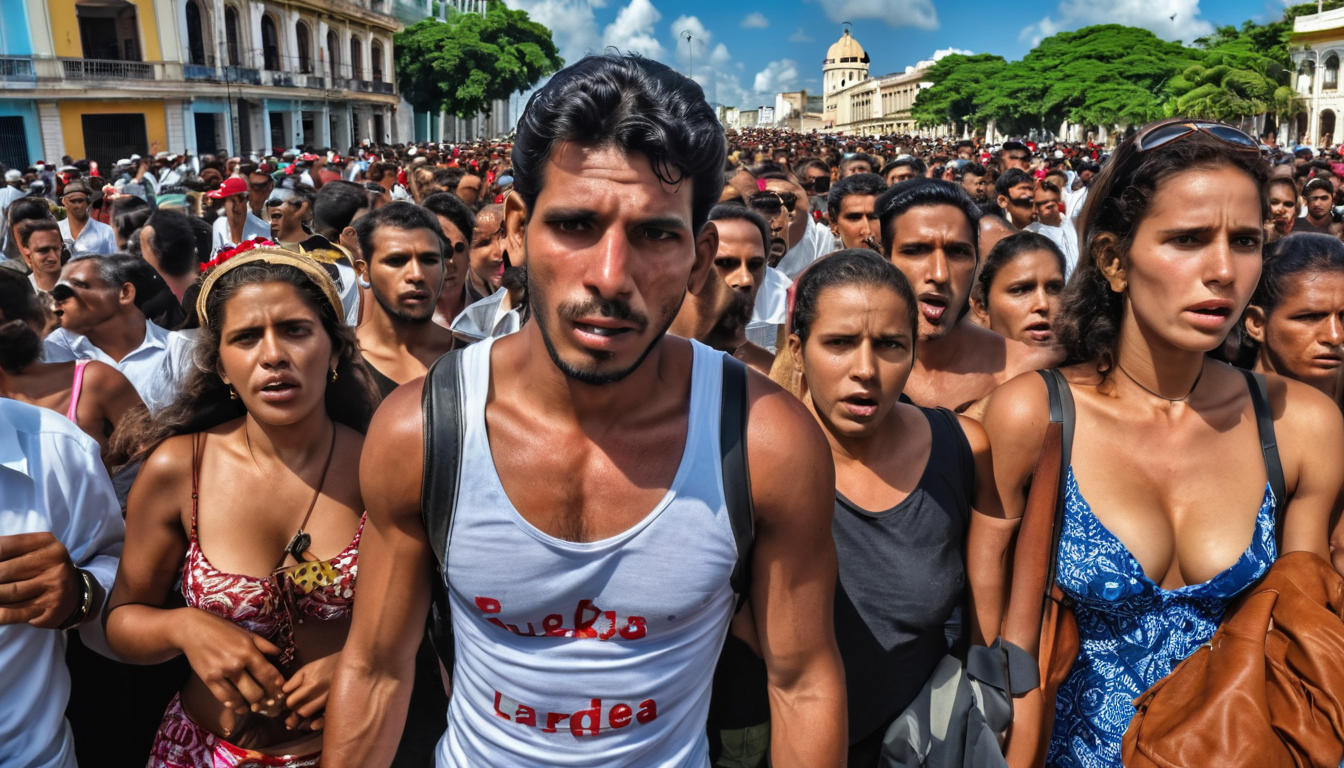
The recent wave of public protests in Cuba, ignited by severe blackouts and acute food shortages, marks a significant moment in the island’s contemporary history. The protests began spontaneously across different parts of the country, signaling widespread dissatisfaction among the Cuban populace. Demonstrators, driven by desperation and frustration, have been vocal about their demands for “freedom” and an end to “fear,” echoing the sentiments of historical cries for liberty and better living conditions. The protests were a reaction to escalating problems that have been simmering for years but were intensified by the COVID-19 pandemic’s detrimental impact on the economy, particularly the vital tourism sector.
The Cuban government responded to these protests with appeals for supporters to defend the socialist revolution, branding the protesters as provocateurs manipulated by external forces, a narrative aimed at delegitimizing the spontaneous outpouring of grievances. The economic hardships, exemplified by the dual currency system’s collapse and the subsequent dollarization of the economy, have exacerbated inequalities. Those without access to USD or Euros are particularly hard-hit, experiencing soaring food prices and scarcity of basic necessities.
Recent demonstrations have not only been about the lack of electricity but also about the broader context of discontent with the current regime’s inability to provide basic services and improve living conditions. The “cacerolazos,” or pot-banging protests, symbolize the growing public dissent, particularly in regions severely affected by blackouts. Despite the government’s attempts to quell these demonstrations, the spirit of discontent and demand for change continues to simmer across Cuba.
This continuing crisis has led to a wave of migration, as Cubans leave in search of better conditions elsewhere, mirroring the significant exodus during the Mariel boatlift in 1980. The protests reflect a broader desire for systemic change beyond mere economic relief, with calls for “Patria y Vida” (Homeland and Life) challenging the revolutionary slogan “Patria o Muerte” (Homeland or Death). The movement is a clear sign of a growing generational and ideological divide within Cuban society, with younger Cubans particularly vocal in their demands for change.
The protests, while smaller in scale compared to the historic events of July 11, 2021, signify an ongoing struggle within the country against the backdrop of an oppressive regime, economic mismanagement, and social unrest. The Cuban government faces the monumental task of addressing these deep-seated issues while maintaining its grip on power, as the voices of discontent continue to grow louder and more widespread.