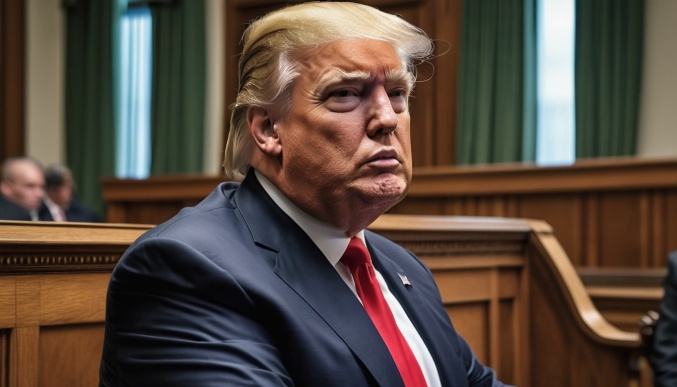
The Manhattan District Attorney’s office has charged former President Donald Trump with 34 state felony counts related to falsifying business records. These charges involve 11 invoices, 12 vouchers, and 11 checks, all allegedly falsified to obscure reimbursements to Michael Cohen, Trump’s former attorney, for hush money paid to adult film star Stormy Daniels.
The Allegations
Prosecutors contend that the payments were incorrectly recorded as legal retainers. In reality, they allege, these payments were intended to reimburse Cohen for the $130,000 he paid Daniels in exchange for her silence about an alleged affair with Trump. This payment was made just before the 2016 presidential election to prevent potentially damaging information from surfacing.
Michael Cohen testified that he made the payment to Daniels with Trump’s approval and was promised reimbursement. Cohen’s testimony is crucial to the prosecution’s case, directly implicating Trump in the scheme.
Legal Implications
While paying hush money is not a crime, the prosecution argues that Trump falsified business records to disguise the repayment to Cohen as a legal retainer. This act, they assert, was intended to deceive voters and influence the election’s outcome.
Under New York law, for a felony conviction of falsifying business records, the jury must find that Trump intentionally made false entries in business records with the intent to defraud. Additionally, the intent to defraud must include an intent to commit another crime or to conceal a crime. Prosecutors allege that the underlying crime was an attempt to illegally influence the 2016 presidential election.
Jury Deliberations
The jury’s task is to determine whether Trump’s actions meet the legal criteria for falsifying business records with the intent to commit or conceal another crime. The outcome will depend on the jurors’ interpretation of the evidence and testimonies presented during the trial.
This case against Trump is significant not only for its potential legal repercussions but also for its broader implications on political accountability and the integrity of electoral processes. As the jury deliberates, the nation watches closely, aware of the profound impact this decision may have on the political landscape.
The charges against Trump highlight the importance of transparency and honesty in business practices and the potential consequences of subverting these principles for personal or political gain. As the trial progresses, it serves as a reminder of the legal and ethical standards expected of those in positions of power.