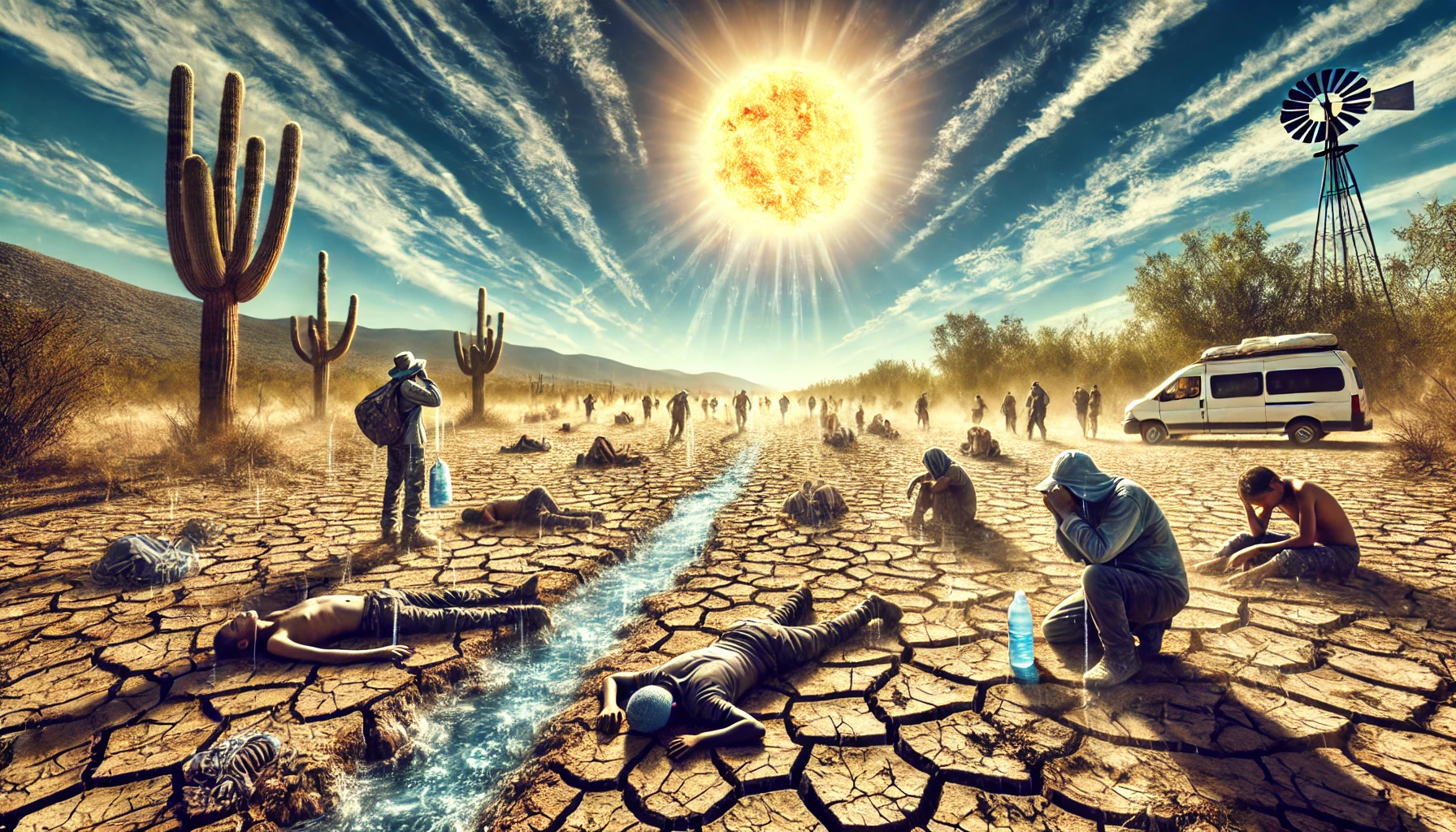
As the United States grapples with the escalating impacts of climate change, extreme weather events have become more frequent and severe. Among the most pressing challenges is the extreme heat, which poses significant dangers to migrants, particularly those crossing the southern border. This situation underscores the broader concerns about climate change and its disproportionate impact on vulnerable populations.
Rising Temperatures and Increased Risks
The summer of 2024 has already seen record-breaking temperatures across many parts of the US. The Southwest, in particular, has experienced prolonged heatwaves, with temperatures soaring above 100 degrees Fahrenheit for days on end. For migrants attempting to traverse the treacherous terrains of the US-Mexico border, these extreme conditions can be deadly.
Dehydration, heat exhaustion, and heatstroke are immediate threats to those making the perilous journey. The lack of adequate water sources, shelter, and medical facilities in these remote areas exacerbates the situation, leading to an alarming number of heat-related illnesses and fatalities among migrants.
Climate Change: A Catalyst for Migration and Extreme Weather
Climate change plays a dual role in this crisis. On one hand, it is a driving force behind the extreme weather patterns seen in recent years. Scientific studies have shown that global warming is leading to more intense and frequent heatwaves, prolonged droughts, and unpredictable weather patterns. These changes are not limited to the US but are felt globally, with vulnerable regions bearing the brunt.
On the other hand, climate change is also a significant factor in migration. Many migrants are fleeing their home countries due to climate-related disasters such as droughts, floods, and crop failures. These environmental stressors, combined with political instability and economic hardship, compel individuals and families to seek better lives elsewhere, often leading them to the US border.
Vulnerable Populations at Greater Risk
The impact of extreme weather and climate change on migrants highlights a critical issue: the most vulnerable populations are often the hardest hit. Migrants, already in precarious situations, face heightened risks as they encounter harsh environmental conditions. These individuals often lack access to the resources and support systems needed to cope with extreme weather, making them particularly susceptible to its dangers.
Humanitarian organizations and border patrol agents report increasing numbers of migrants suffering from heat-related illnesses. Despite efforts to provide aid, the sheer scale of the problem, coupled with the harsh and remote environments, makes it challenging to offer adequate assistance.
Policy and Humanitarian Responses
Addressing the dangers posed by extreme heat to migrants requires a multifaceted approach. Policies aimed at mitigating climate change and its impacts are crucial. Reducing greenhouse gas emissions, transitioning to renewable energy sources, and implementing climate adaptation strategies can help curb the severity of extreme weather events.
In the short term, immediate measures to protect migrants are essential. Increasing the availability of water stations, medical aid, and shelters along migration routes can save lives. Enhanced training for border patrol agents on handling heat-related emergencies and greater collaboration with humanitarian organizations are also critical steps.
Conclusion
The extreme heat facing the US is a stark reminder of the broader challenges posed by climate change. As temperatures rise and weather patterns become more unpredictable, vulnerable populations, including migrants, are at increased risk. Addressing this issue requires urgent action on multiple fronts, from global climate policies to local humanitarian efforts, to ensure that those seeking a better life are not met with life-threatening conditions.