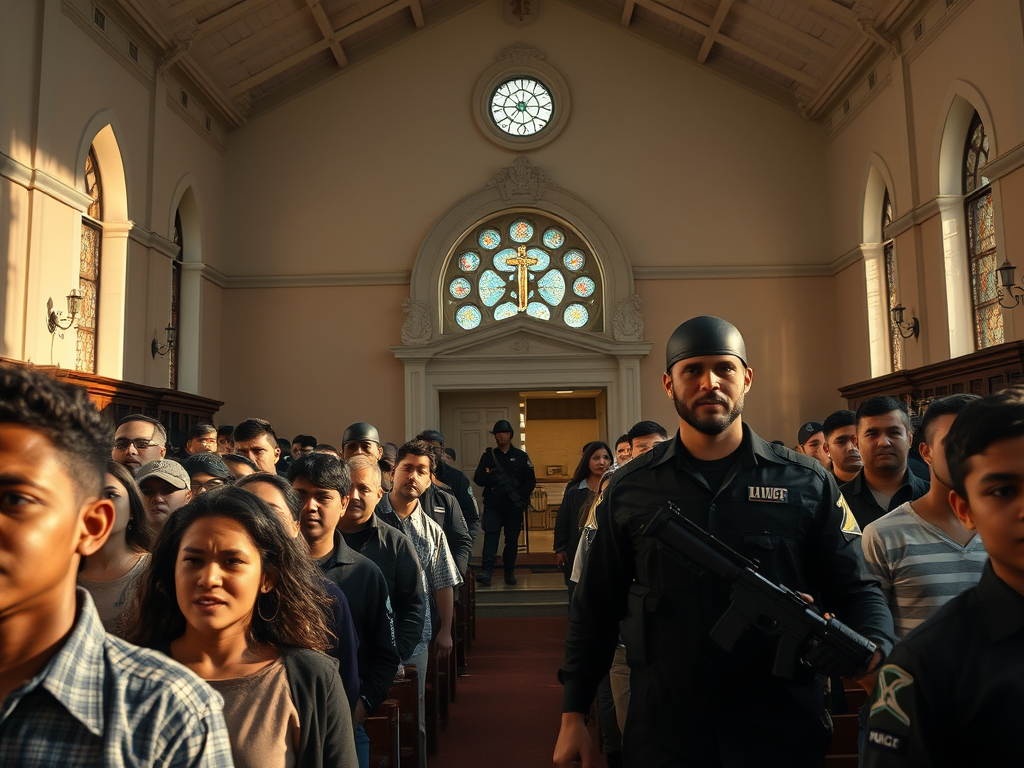
Trump Administration Ends Protections for Sensitive Areas: Immigration Arrests Now Allowed Near Schools and Churches
In a controversial policy shift, the Trump administration has rescinded long-standing restrictions on immigration enforcement in sensitive locations, including schools, churches, and hospitals. The decision, announced by Acting Homeland Security Secretary Benjamin Huffman, effectively ends a policy designed to shield these areas from immigration raids.
“Criminals will no longer be able to hide in America’s schools and churches to avoid arrest,” Huffman declared. “The Trump Administration will not tie the hands of our brave law enforcement, and instead trusts them to use common sense.”
This dramatic reversal comes as part of a broader crackdown on undocumented immigrants and has sparked heated debate nationwide.
A Divisive Policy Change
For years, sensitive locations like schools, churches, and healthcare facilities were considered off-limits for U.S. Immigration and Customs Enforcement (ICE) operations, except under extraordinary circumstances. The policy aimed to preserve access to essential services and protect community trust. Now, these protections have been lifted, raising concerns among immigrant rights advocates, religious leaders, and legal experts.
Critics argue that the policy change could sow fear and insecurity among vulnerable immigrant communities, deterring them from accessing critical services. “This policy threatens to undermine the very foundation of trust between immigrant families and the institutions they rely on,” said Maria Gutierrez, director of a national immigrant advocacy group. “Parents may now think twice before sending their children to school, and families may avoid seeking medical care, even in emergencies.”
New York City Reacts
The policy change has drawn mixed reactions from local governments. In New York City, Mayor Eric Adams announced that the city would work with ICE to deport undocumented individuals with criminal records, aligning with the Trump administration’s enforcement priorities. However, Adams stopped short of endorsing ICE raids in sensitive locations. “We are reviewing the implications of this new directive,” Adams said in a statement. “Our focus remains on public safety and preserving community trust.”
Faith Leaders Push Back
The policy has faced significant backlash from faith leaders across the country. Religious organizations, many of which have long provided sanctuary to undocumented immigrants, are now weighing how to respond. Reverend James Carter of Houston’s St. Mary’s Episcopal Church called the policy “a direct attack on the moral fabric of our society.”
“Churches are sacred spaces meant to provide refuge and hope. To see them become sites of fear and enforcement is heartbreaking,” Carter said. Some religious leaders are considering legal action or organizing sanctuary programs to shield immigrants from potential arrests.
Advocates Sound the Alarm
Immigration advocates warn that the move could disproportionately affect children and families. Schools, once considered safe havens, could now become sites of traumatic enforcement actions. “We are deeply concerned about the potential psychological impact on students,” said Dr. Sarah Johnson, a child psychologist based in Los Angeles. “The fear of parents being arrested while dropping off or picking up their children could lead to long-term mental health challenges.”
The Bigger Picture
Supporters of the policy argue that it is a necessary step to strengthen immigration enforcement. “This is about law and order,” said Tom Hensley, a spokesperson for a national immigration reform group. “Criminals shouldn’t be able to exploit sensitive areas as hiding spots. This sends a clear message that no one is above the law.”
However, critics maintain that this approach ignores the nuances of immigration policy and the human cost of such enforcement measures. Legal experts anticipate an uptick in lawsuits challenging the policy’s legality and implementation.
The Road Ahead
As the debate unfolds, communities across the nation are bracing for the impact of this policy change. Immigrant families, educators, healthcare workers, and faith leaders are now grappling with the uncertainty of what the future holds. Meanwhile, legal challenges and protests are already being organized to oppose the directive.
This decision marks a pivotal moment in U.S. immigration policy, testing the balance between law enforcement priorities and the protection of vulnerable communities. Whether this move will achieve its intended goals or deepen divisions in an already polarized country remains to be seen.